















Could You Get Genital Warts from Unprotected Oral Sex? 4 Types of STIs You Need to Know


Could You Get Genital Warts from Unprotected Oral Sex? 4 Types of STIs You Need to Know
Oral sex isn’t as “safe” as many people think. A lot of us assume, “There’s no penetration, so it should be fine, right?”
In reality, the mucous membrane in our mouth is thinner and more prone to tiny cuts than you might expect. As soon as it comes into contact with fluids carrying viruses or bacteria, there is a real chance of catching an STI. Today, let’s take a relaxed look at the lesser-known risks of oral sex and the simple, effective ways to protect yourself.
Which STIs can be passed on through oral sex?
- HPV (Human Papillomavirus) → Leading to genital warts and oropharyngeal cancer
This is one of the most commonly mentioned risks of oral sex. According to the US Centers for Disease Control and Prevention (CDC), oral HPV can be transmitted to the mouth and throat through oral sex. Around 60–70% of oropharyngeal cancer cases in the US are linked to HPV, and research also shows a clear connection between oral sex and HPV-related oropharyngeal cancer risk. Some low-risk types of HPV (e.g., HPV-6 and 11) can cause genital warts in the mouth or throat, while high-risk types (e.g., HPV-16) may increase the risk of oropharyngeal cancer. - Gonorrhoea (throat gonorrhoea)
Many people do not realise that gonorrhoea does not only affect the genitals, but can also infect the throat. Symptoms may be nothing more than a sore throat or swallowing discomfort, which is easily mistaken for a common cold and can lead to delayed treatment. - Herpes, syphilis and chlamydia
According to data from the CDC and the World Health Organization (WHO), these STIs can be transmitted through the oral mucous membrane or tiny cuts. Even if your partner has no obvious symptoms, they can still be infectious during the incubation period or when the infection is asymptomatic. - HIV (Human Immunodeficiency Virus)
Although the chance of catching HIV through oral sex is relatively low, it is not completely impossible. If there are cuts in the mouth, bleeding gums, or open sores on your partner, the risk of infection rises.
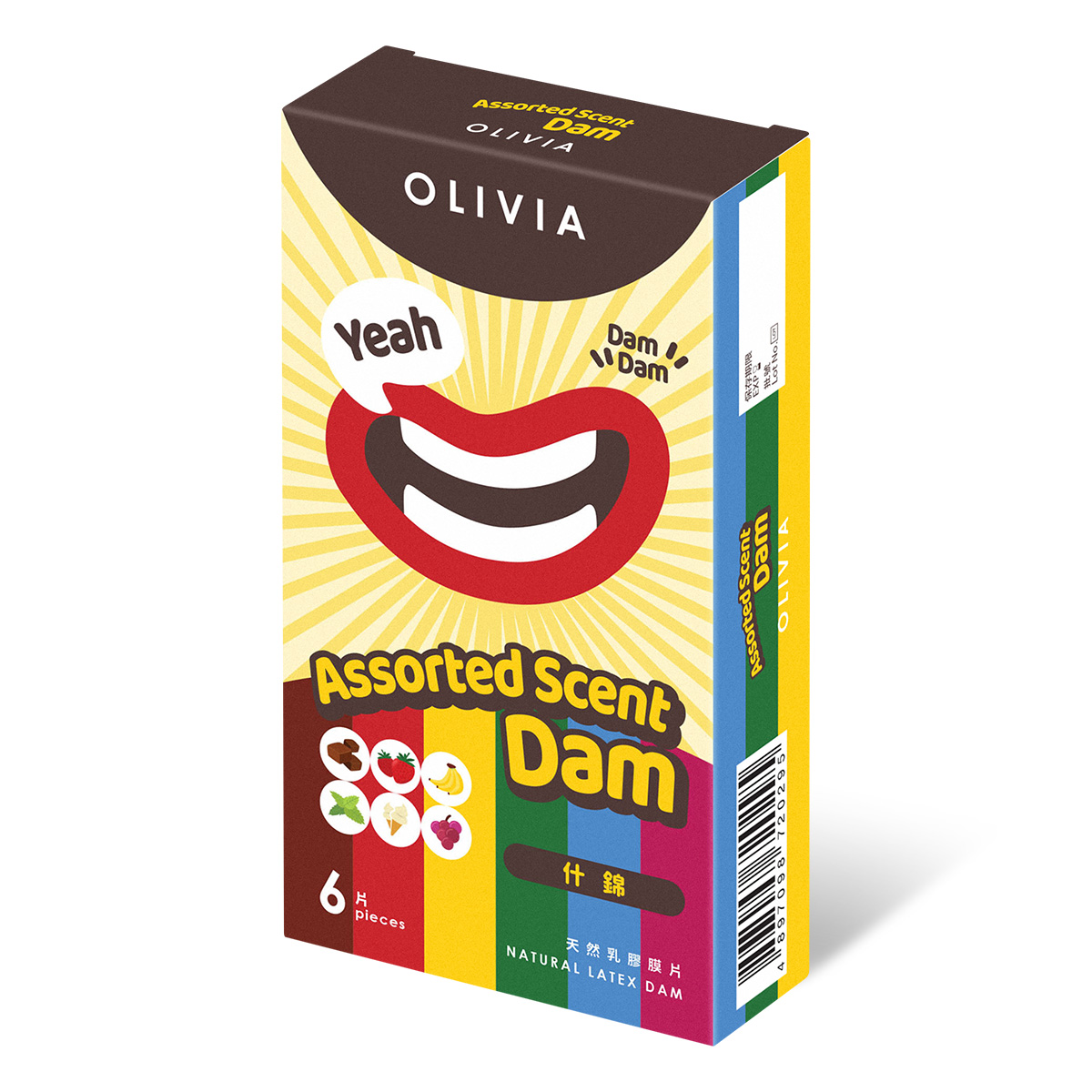
In short: oral sex ≠ zero risk. Treating “using a condom or barrier protection” as a basic essential for oral sex is far better than worrying afterwards.
Want to enjoy intimacy with greater peace of mind?
Sampson Store has you covered!
At Sampson Store, we believe health and pleasure can go hand in hand. With just a little preparation and a few simple steps, you can have fun while staying safe.
Continue Reading:”Practical tips: How can you effectively reduce the risk?”
-
1
-
2

-
3
Reference
Centers for Disease Control and Prevention (CDC). HPV and Oropharyngeal Cancer. https://www.cdc.gov/cancer/hpv/oropharyngeal-cancer.html Johns Hopkins Medicine.
Behaviors Surrounding Oral Sex May Increase HPV-Related Cancer Risk. https://www.hopkinsmedicine.org/news/newsroom/news-releases/2021/01/behaviors-surrounding-oral-sex-may-increase-hpv-related-cancer-risk
Centers for Disease Control and Prevention (CDC). About Gonorrhea. https://www.cdc.gov/gonorrhea/about/index.html
Centers for Disease Control and Prevention (CDC). Gonococcal Infections Among Adolescents and Adults. https://www.cdc.gov/std/treatment-guidelines/gonorrhea-adults.htm Mayo Clinic.
Gonorrhea – Symptoms and causes. https://www.mayoclinic.org/diseases-conditions/gonorrhea/symptoms-causes/syc-20351774
Centers for Disease Control and Prevention (CDC). About STI Risk and Oral Sex. https://www.cdc.gov/sti/about/about-sti-risk-and-oral-sex.html
World Health Organization (WHO). Sexually transmitted infections (STIs). https://www.who.int/news-room/fact-sheets/detail/sexually-transmitted-infections-(stis)
World Health Organization (WHO). Syphilis. https://www.who.int/news-room/fact-sheets/detail/syphilis